MAJOR UPDATE
The New goHeather: In-app editor, surgical AI edits, edit from chat, and adjustable analysis levels.
Try For Free Now



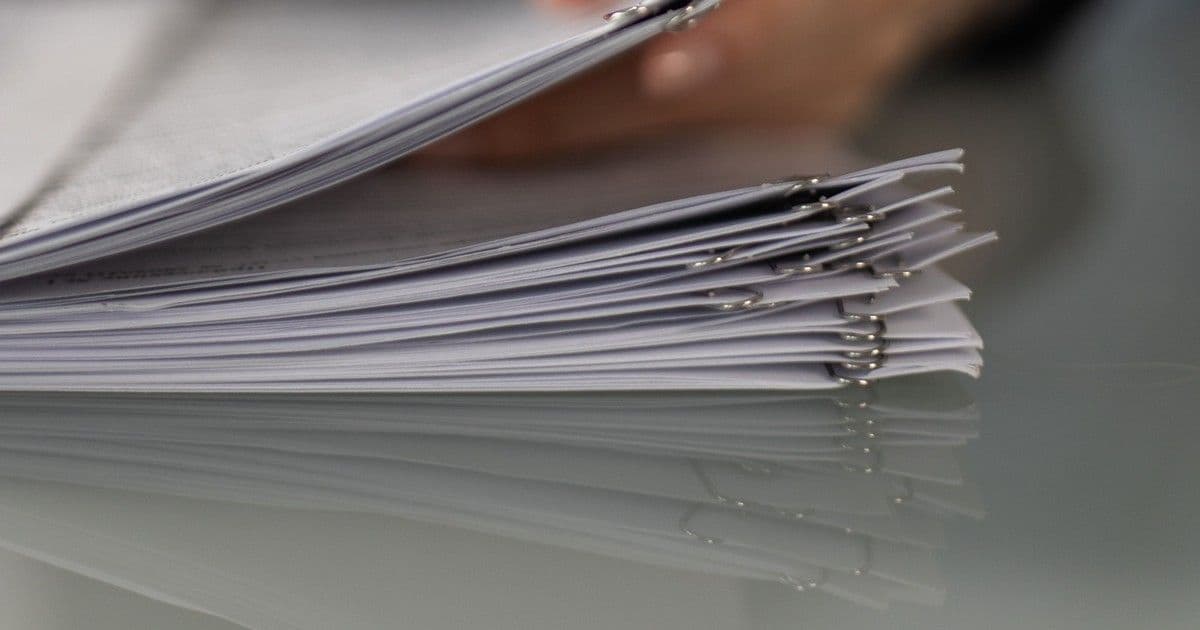
A negotiation usually doesn't stall because someone missed a bad clause. It stalls because two people on your own side are working off different drafts and don't know it yet. One has the version your team actually approved internally. The other has whatever landed in their inbox last night from the counterparty's sales rep, three rounds removed from anything legal signed off on. Neither file is fake. Only one of them is the position you're supposed to be holding, and the review only works if everyone compares new changes against that one.
This happens constantly on high-volume desks, and it has nothing to do with anyone being careless. Procurement negotiating price while legal negotiates liability, a regional sales team cc'ing a different set of people than corporate, a redline forwarded without the cover email that explained what changed, all of that produces multiple files that each look like the current draft. Pick the wrong one and you'll spend an hour flagging changes that were already accepted last week, or worse, wave through language nobody on your side actually agreed to.
Reviewers tend to compare an incoming draft against the last file they personally received, because that's the one sitting open on their screen. It's a reasonable habit, and also the wrong baseline. The file that matters is the one your team last approved as your standing position, and it doesn't always match the last email in anyone's inbox. If a junior salesperson quietly agrees to a payment term change on a call and forwards a clean copy, that copy becomes "the draft" in everyone's head even though nobody with authority to change your position signed off on it. The question worth asking isn't "what's the newest file." It's "what's the last version we approved as our position," and those two are frequently not the same document.
Word makes this worse in a specific, avoidable way. Track changes shows every edit until someone clicks accept, and once accepted the markup is gone for good. Choosing the No Markup view only temporarily hides changes, and they will be visible again the next time someone opens the document, but to actually remove tracked changes, you have to accept or reject them. A counterparty that sends back a "clean" copy after accepting their own edits has handed you a document with no record of what changed, and if your team does the same before circulating internally, you've done it to yourselves. Converting to PDF at any point removes the option to check later.
The fix that scales is naming one file, for each contract in negotiation, as the position of record, and treating every other copy as disposable. Clever naming conventions and folder structure help, but the real requirement is a rule: nothing gets compared against "whatever came in," everything gets compared against the position of record, and only a specific person has authority to update what that file says. If a negotiator agrees to something on a call, that agreement doesn't count until it's reflected in the position of record, not just in whatever gets emailed out afterward.
This is a different discipline from version control as most CLM guidance describes it, which mostly focuses on storage, one shared repository instead of scattered email threads. Storage solves where the files live. It doesn't solve which file a reviewer should trust when three of them are open at once. You still need the rule about which one wins.
A first-pass AI review is genuinely useful in this specific spot: run every incoming redline against the position of record, not against the last draft that happened to arrive, and it will flag what actually changed relative to your real standing position instead of relative to noise from a side conversation. That's a comparison task software is good at. Deciding which file counts as the position of record in the first place, and updating it when your team genuinely changes its stance, stays a human call. No tool can tell you that a verbal concession on a call should or shouldn't count yet.
The same discipline about which file is authoritative is worth applying beyond the main body of a contract too. It's the same failure mode behind exhibits quietly drifting out of sync with the terms legal actually approved.
Track how many times the position of record changed hands, meaning how many different people edited it directly, over the life of a single deal. If that number is climbing past two or three on routine contracts, too many people believe they're allowed to update the team's real position on their own. Fixing that is a matter of authority and sign-off, not filing habits.
None of this is exotic. It's the same fragmented-process problem that shows up when 76% of professionals report experiencing significant friction and inefficiencies in the contracting process, including unclear ownership between teams. Redline chaos is just where that friction is easiest to see.
Try goHeather free if you want to see how a first-pass comparison works against your own standing position instead of whatever draft happens to be open. This is legal information, not legal advice; consult a lawyer for legal advice.
Jeff Dutton is a lawyer who advises on technology, corporate, privacy, commercial, employment and real estate law.
Jeff founded his own small law firm, Dutton Law, in 2016 (and merged it with a larger firm in 2019). Before that, Jeff was a prosecutor and a commercial law lawyer at a national boutique law firm.
Jeffrey is a frequent lecturer on legal matters and has been published in newspapers and trade journals. In addition, Jeff was the editor and co-author of a leading employment law text for lawyers for many years.
Education:
Western University, BA (2009)
University of Ottawa, Faculty of Law, JD (2012)
Get the latest contract tips, updates, and exclusive content straight to your inbox. Subscribe now and never miss out on what's new in contract law or at goHeather!
Our AI sifts through each clause, identifying potential risks. This enables us to provide quick yet comprehensive contract reviews, equipping you with the legal information you need to make informed decisions.
USA
1 Sansome St., Suite 1400
San Francisco, CA 94104
United States
International
10 Dundas St. East, Suite 1002
Toronto, ON M5B 2G9
Canada